
One clear starting point
Describe it once
Tell us what you're seeing—leaks, stains, missing shingles, hail concerns, or age questions—and we connect you with a contractor who handles roof inspections.
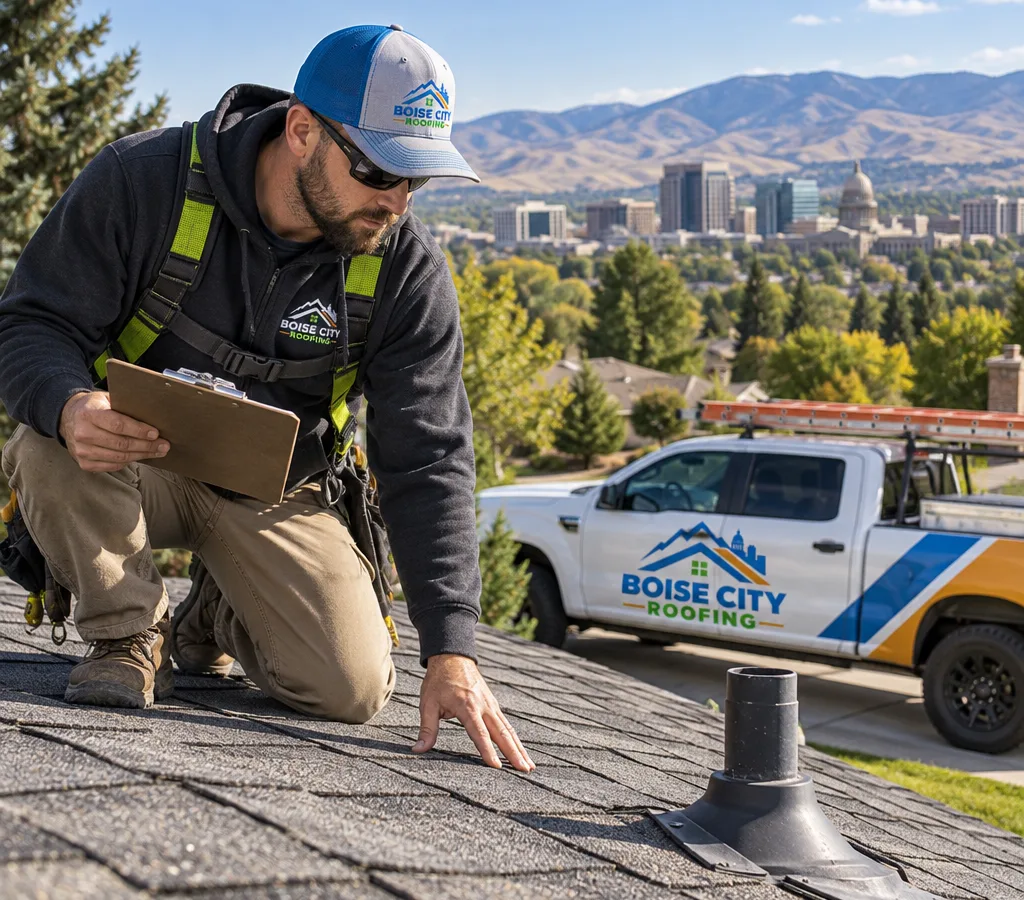
Roof inspection connections in Boise, Idaho
Describe what you're seeing once and we'll connect you with a local contractor who can inspect the roof and walk you through next steps.
CALL NOW: (208) 314 1953Clear condition findings
A roof inspection is a condition check, not a sales pitch. The point is to leave you with clear findings you can act on: what's working, what's failing, and what should be watched.
When you call about roof inspection Boise homeowners typically want answers to practical questions:
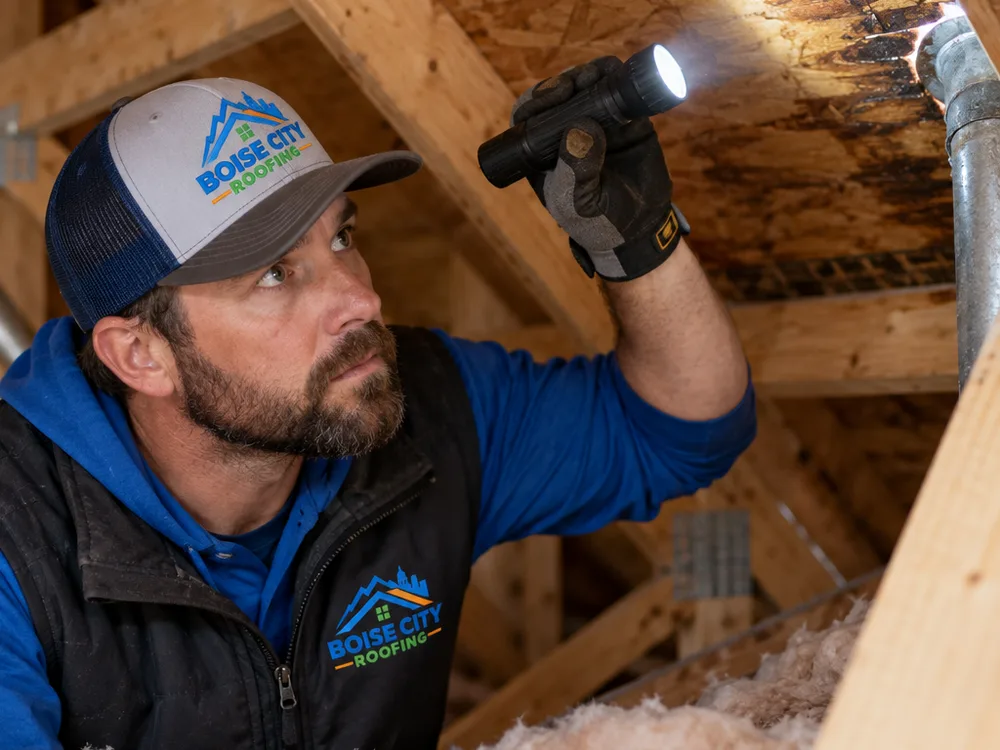
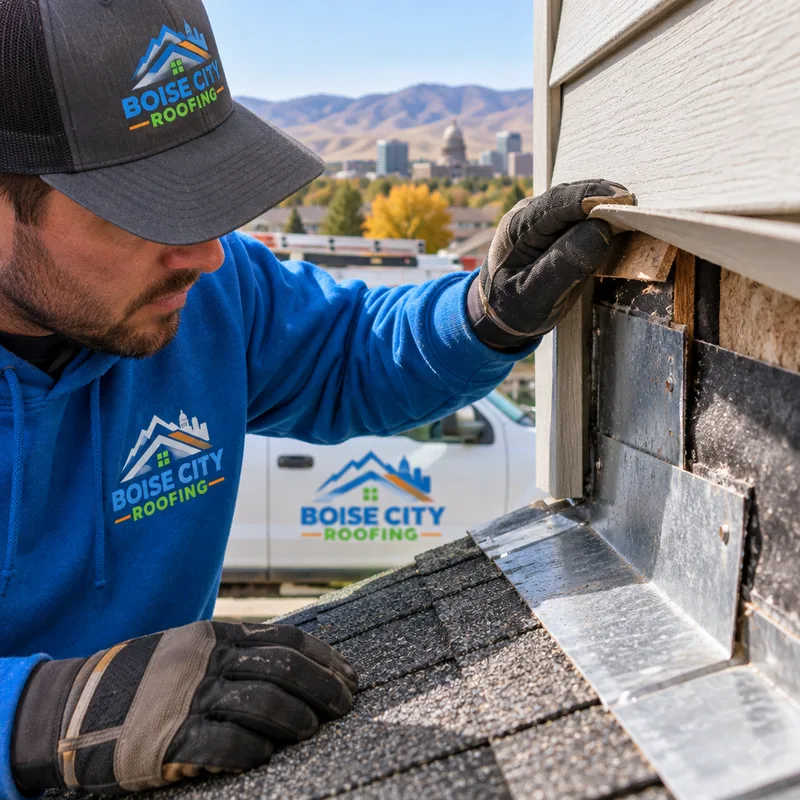
A thorough inspection usually includes an exterior review and an interior check—an attic or top-floor ceiling review when accessible. In Boise's freeze-thaw season, small gaps around flashings and penetrations can show up as leaks when snow melts or when nighttime temperatures drop and materials contract. A good inspection looks for those weak points, then documents them with photos and plain-language notes.
If you're managing a commercial property, the approach is different. Low-slope systems such as TPO, PVC, EPDM, or modified bitumen are evaluated by seams, terminations, drains, scuppers, and rooftop penetrations rather than shingle fields. Commercial roofing inspections typically focus on membrane condition, ponding risk, and flashing or edge-metal details.
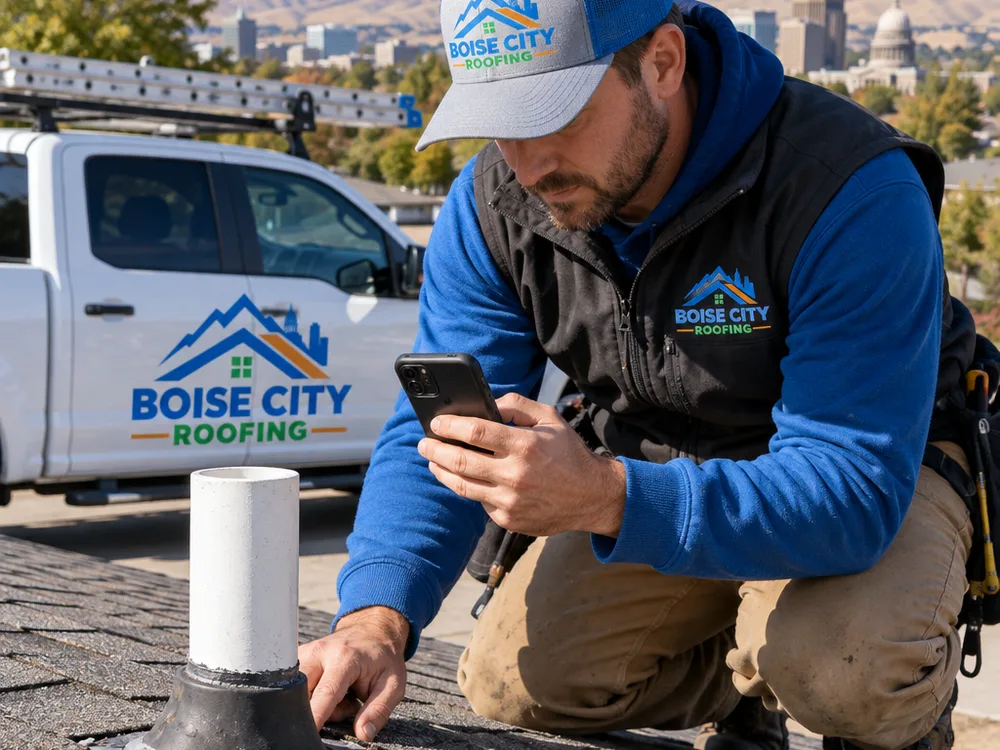
A simpler inspection referral
One clear starting point
Tell us what you're seeing—leaks, stains, missing shingles, hail concerns, or age questions—and we connect you with a contractor who handles roof inspections.
We connect you with contractors who work around Boise and nearby communities, where wind events, sun exposure, and freeze-thaw cycles affect roof wear patterns.
Ask the contractor to document what they see with photo notes so you can understand the condition and priorities without guesswork.
An inspection should separate isolated issues—flashings, penetrations, or localized damage—from system-wide aging that points toward replacement planning.
You speak with the contractor directly, ask your questions, and decide what work, if any, to approve after you understand the condition.
From call to clear findings
Share the roof type—shingle, metal, or low-slope—the building type, and what prompted the inspection. Mention active leaks, recent wind or hail, and whether the attic is accessible.
We connect you with an independent contractor who serves Boise, Idaho and can talk through what they'll check and what access they'll need.
The contractor typically checks roof planes, ridges and hips, valleys, pipe boots, vents, skylights, wall transitions, gutters, and visible decking or attic signs of moisture.
You'll hear what was found, what is urgent, what can be monitored, and what repair or maintenance options make sense for the roof's current condition.
If you're seeing a stain, drip, missing shingles, or you're unsure after a storm, make one call and get connected with a Boise-area contractor who can inspect the roof and explain what they find.
CALL NOW: (208) 314 1953Surfaces, penetrations, and interior clues

Questions before you call
Start with the building type and roof type, then describe what prompted the inspection and where you're seeing it. Helpful details include how long it's been happening, whether it appears after rain or snow melt, any recent wind or hail, the roof's approximate age if you know it, and whether the attic access is clear.
It often does when access is available and safe, because attic clues can narrow down leak paths. The contractor may look for water staining on sheathing, damp insulation, mold-like growth, nail pops with rust halos, and signs of ventilation or condensation issues.
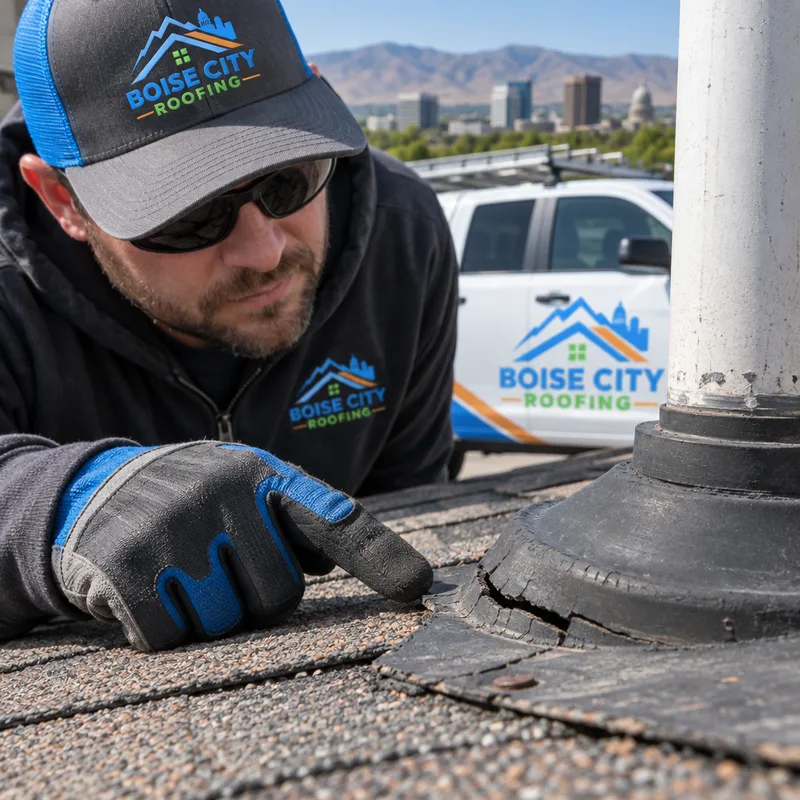
Many leak calls trace back to details rather than the open shingle field. Contractors pay close attention to valleys, pipe boots, bathroom and dryer vents, skylight curbs, chimney flashing, and roof-to-wall transitions where step flashing and counterflashing must be layered correctly.
A repair is more likely when damage is localized and the surrounding materials still have serviceable life. Replacement planning becomes part of the conversation when there are repeated failures across multiple areas, widespread shingle brittleness or curling, chronic granule loss, or multiple past repairs that are no longer holding.
Yes, because it documents condition and flags items that may affect negotiations or near-term maintenance. Ask the contractor for photos and written notes that separate active issues, such as open flashings, from maintenance items like debris in valleys or gutter overflow marks.
If you suspect damage, an inspection helps confirm what actually happened on the roof surface and at the flashings. Contractors typically look for lifted or creased shingles, displaced ridge caps, exposed fasteners on metal components, and impact marks that break the protective surface of roofing materials.
The contractor will explain what was found, how far it appears to extend, and what the repair plan would involve. Depending on the roof type, that can include removing shingles or membrane in the affected area, replacing compromised decking, re-flashing the detail that caused the problem, and restoring the roof covering.
One call starts the inspection connection
Call Boise City Roofing, describe what you've noticed, and we'll connect you with a local contractor who can perform a roof inspection in Boise, Idaho and talk through what to do next.
Boise & surrounding areas